
Organising committee
The proposed congress is supported by a highly diverse and internationally connected organising team, bringing together a broad spectrum of expertise, professional backgrounds, and perspectives. This diversity is a key strength, ensuring that the event is inclusive, forward-looking, and representative of the global community it serves.
-
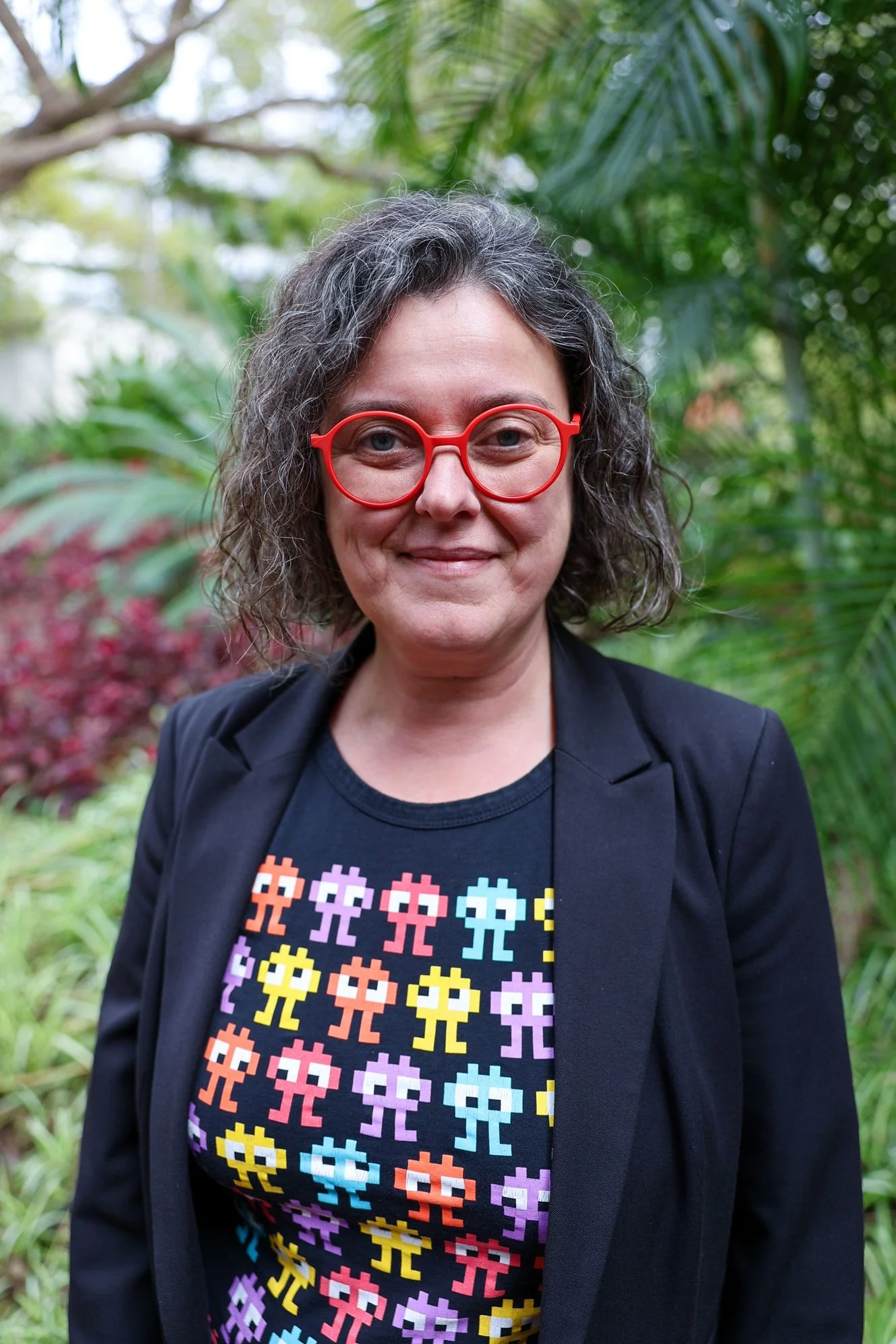
Ivana Ivánová
Curtin University
Ivana Ivánová is a senior teaching and research academic in Spatial Sciences at Curtin University, Perth. She chairs Standards Australia’s IT-004 Committee for Geographic Information/Geomatics, the OGC Data Quality Domain Working Group, and contributes to advisory groups at ISO/TC 211. She leads development of the ISO 19157 multipart standards on geographic information quality.
Her expertise includes spatial data quality, metadata, provenance, and spatial data infrastructures. Through applied research, she supports organisations in improving data and metadata management and recently joined CODATA’s Task Force on research data quality.
-
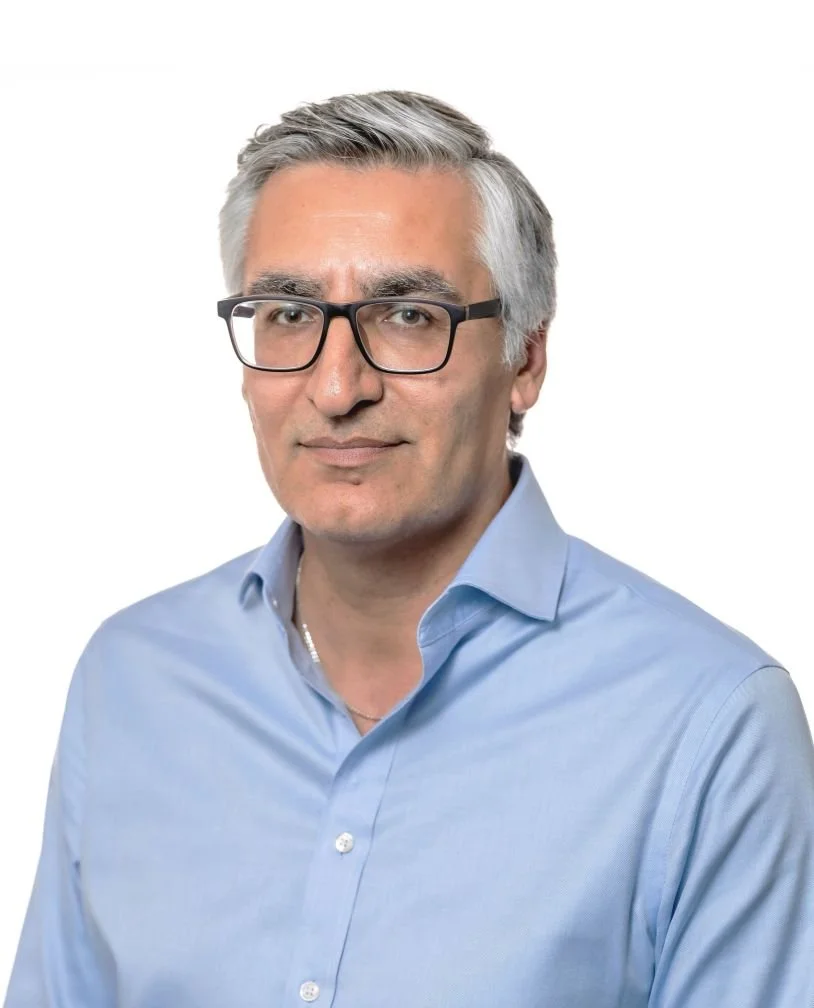
Kourosh Khoshelham
The University of Melbourne
Kourosh Khoshelham is Professor in Spatial Information at the Department of Infrastructure Engineering.
He received his PhD in Geoinformatics from the Hong Kong Polytechnic University in 2004, and held Assistant Professor positions at Delft University of Technology and University of Twente before joining the University of Melbourne in 2015.
His main areas of research are photogrammetry, lidar remote sensing, and computer vision applications to 3D modelling of natural and built environments.
Kourosh serves as Associate Director for the Centre for Disaster Management and Public Safety, and is a member of Standards Australia Committee IT-004 Geographical Information/ Geomatics. He is on the editorial board of several international journals and collaborates with the International Society for Photogrammetry and Remote Sensing (ISPRS) as Co-Chair for Working Group II/I-b on Digital Construction.
-
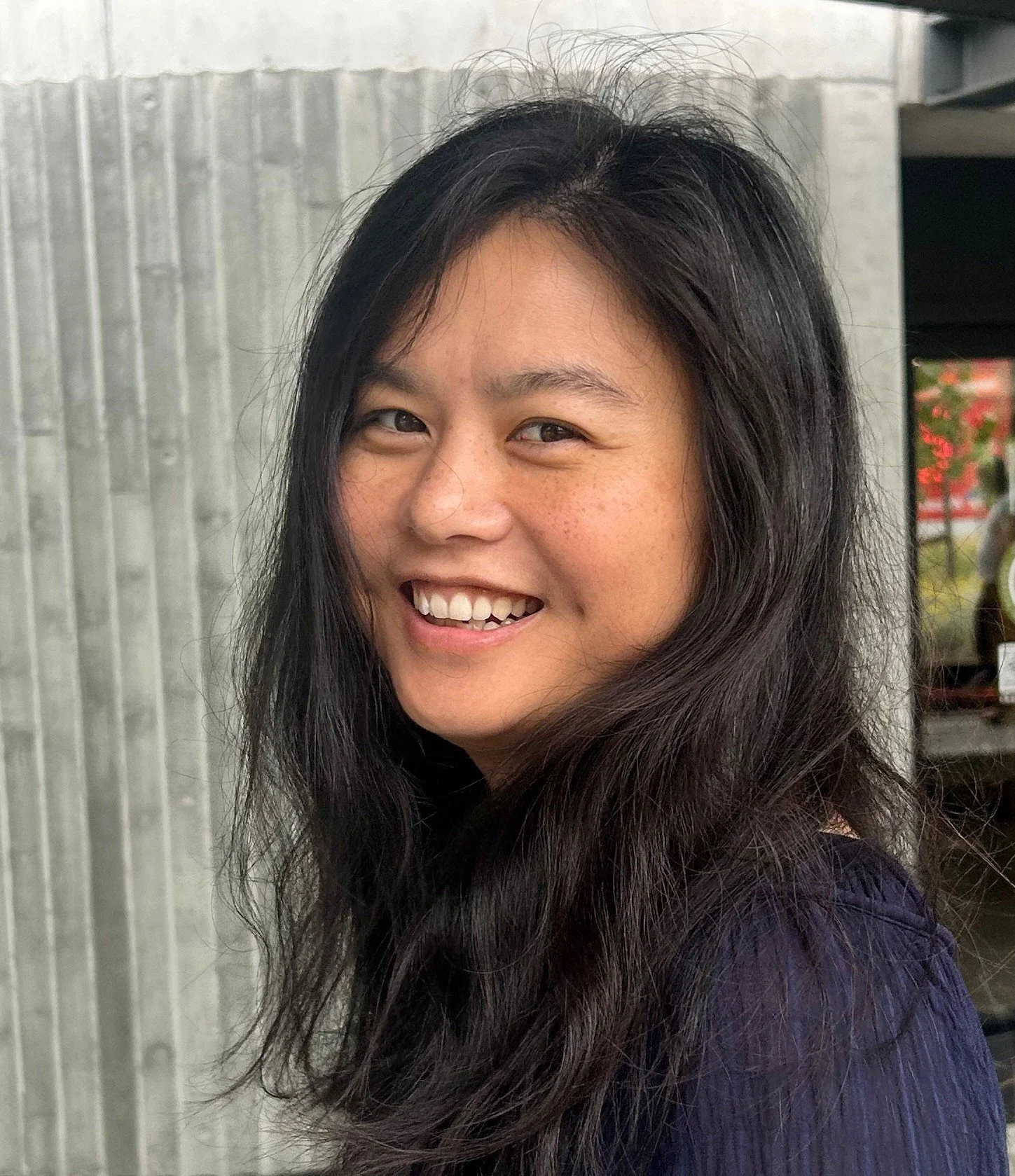
Fang Yuan
Earth Observation Australia Inc
Dr Fang Yuan is an Earth observation scientist, independent consultant, and community leader.
With a PhD in Physics and two decades of experience spanning astrophysics and Earth observation, she works at the intersection of science, technology, and real-world impact.
She has collaborated with government, research, and industry to translate Earth observation into practical outcomes across natural resource management, environmental monitoring, climate risk assessment, disaster management, and water and food security at continental, regional, and local scales.
Fang currently serves as President of Earth Observation Australia, a not-for-profit association representing the Australian Earth observation community.
-
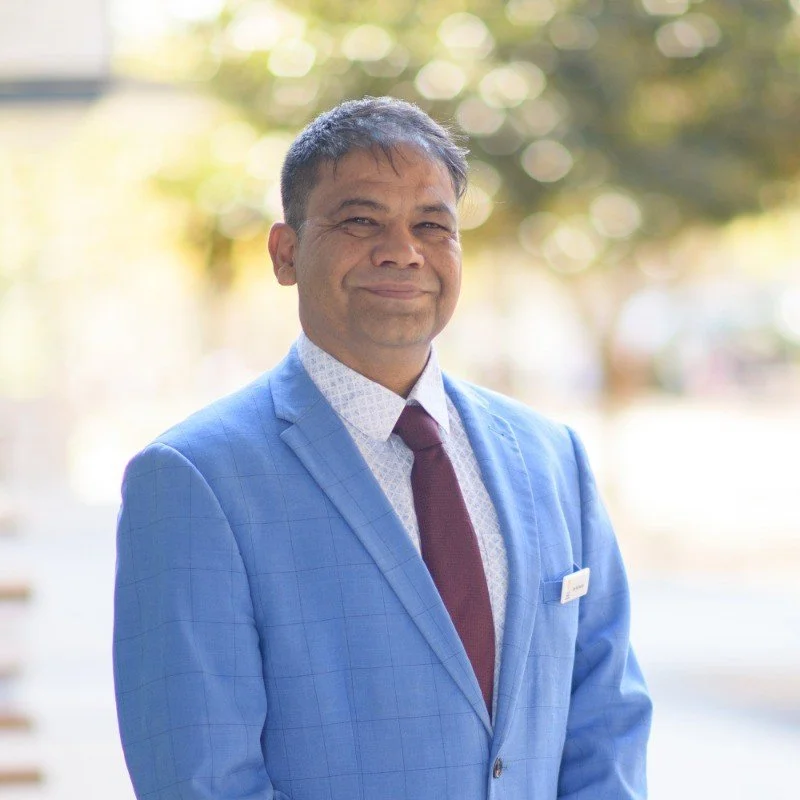
Dev Raj Paudyal
University of Southern Queensland
Dr Dev Raj Paudyal is a Lecturer in Surveying and Spatial Science in the School of Science, Engineering and Digital Technologies at the University of Southern Queensland (UniSQ). He holds a Bachelor of Science from Tribhuvan University, a Master of Science from ITC, and a PhD from the University of Southern Queensland.
Dr Paudyal’s research expertise spans Spatial Data Infrastructure, land administration and cadastre, information systems management, and the application of geospatial technologies for natural resource and catchment management.
He is actively involved in the professional community as a member of the Surveying and Spatial Science Institute and the Royal Institution of Chartered Surveyors, a founding member of the International Geospatial Society, and a life member of the Nepal Remote Sensing and Photogrammetry Society.
-
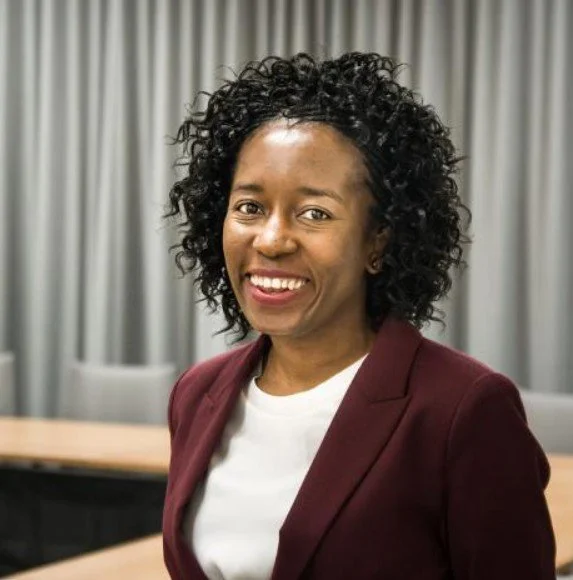
Charity Mundava
WaterNSW
Dr Charity Mundava is a spatial scientist working in the water resources sector in Sydney, Australia, with WaterNSW. She holds a Master’s degree in Geographic Information Systems from Wageningen University in the Netherlands and a PhD from Curtin University, specialising in remote sensing and biomass estimation.
Charity provides spatial advice on water quality, catchment protection, and drought mitigation across New South Wales.
She is a STEM Ambassador with Science & Technology Australia and a Homeward Bound leadership program alumna, with a strong commitment to advancing women’s participation in STEM and evidence‑based water policy.
-
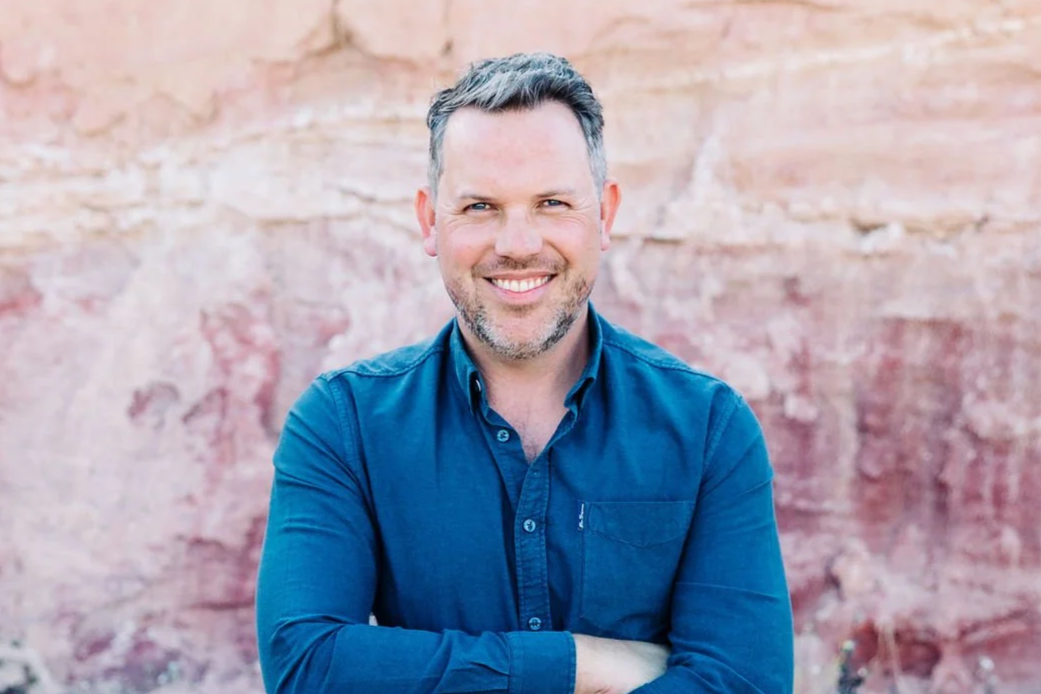
Scott Hawken
Adelaide University
Scott Hawken is Associate Professor and Program Director of Landscape Architecture and Urban Design at Adelaide University, and holds a Visiting Fellowship at the Geospatial Research, Innovation and Development (GRID) Lab, UNSW.
He received his PhD from the University of Sydney, where his research applied remote sensing and geospatial analysis to Angkor — the largest city of the pre-modern world. He subsequently held positions at UNSW Sydney where he chaired the Smart Cities research cluster.
His research spans geospatial AI and remote sensing, biodiversity-positive design, and Southeast Asian landscape archaeology. A current project applies remote sensing and machine learning to map long-term urban landscape signatures across Southeast Asia.
Scott is immediate past Chair of the AILA National Biodiversity Positive Design Working Group and serves on the editorial boards of Landscape Architecture and Sustainability and Environment and Urbanisation Asia.
-
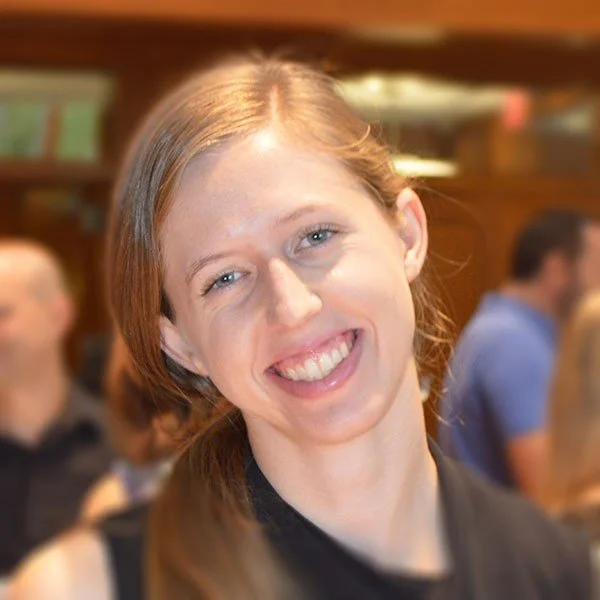
Carolynne Hultquist
University of Canterbury, NZ
Carolynne Hultquist is a Senior Lecturer in the School of Earth and Environment at the University of Canterbury in Christchurch, New Zealand. She received her Ph.D. in Geography and Social Data Analytics from the Pennsylvania State University as part of the Geoinformatics and Earth Observation Lab.
She develops computational approaches to integrate and validate data on physical and human systems for decision making during disasters. A core aspect of her research is the evaluation of citizen-generated data to improve environmental monitoring of hazards at local scales. She has a background in remote sensing across many platforms and is passionate to engage students in cutting edge research in crowdsourcing and advanced modeling including AI to inform on global challenges.
-
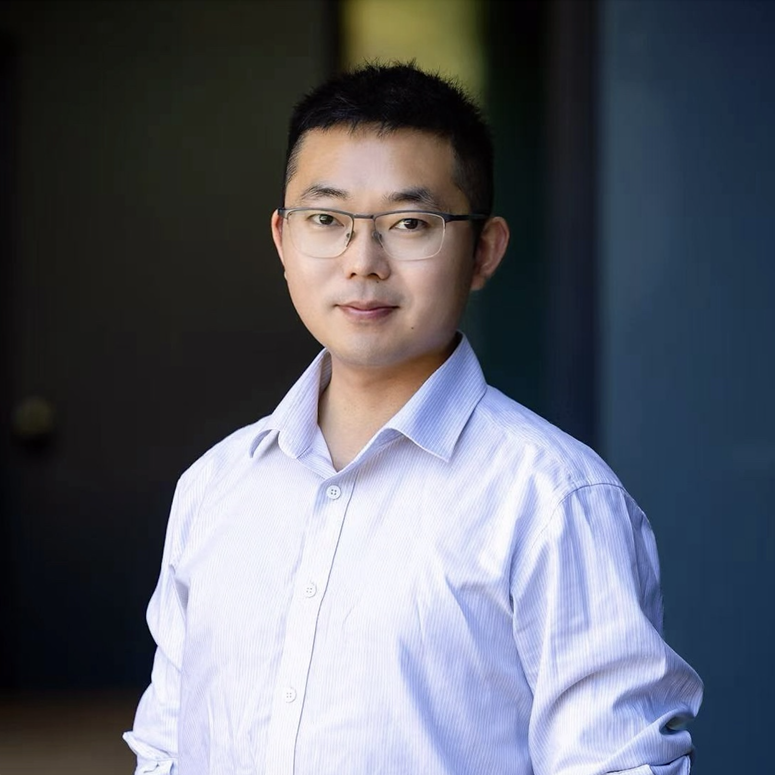
Yongze Song
Curtin University
Yongze Song is an Associate Professor at Curtin University and a leader in geospatial intelligence and GeoAI. He is an Australian Young Tall Poppy Science Award winner, RGS Fellow (UK), Harvard SDL Fellow (US), and DAAD AInet Fellow (Germany).
Yongze has developed over 30 geospatial methods and 12 widely used R packages with over 200,000 downloads worldwide, published over 130 Q1 journal articles including nine Highly Cited Papers.
He serves as an Associate Editor for five international journals, Editorial Board Member of 17 journals, and Chair or Committee Member for over 30 international conferences. He was invited to present over 100 research seminars (e.g., at Harvard, MIT, Yale, ANU, NUS, etc.)
-
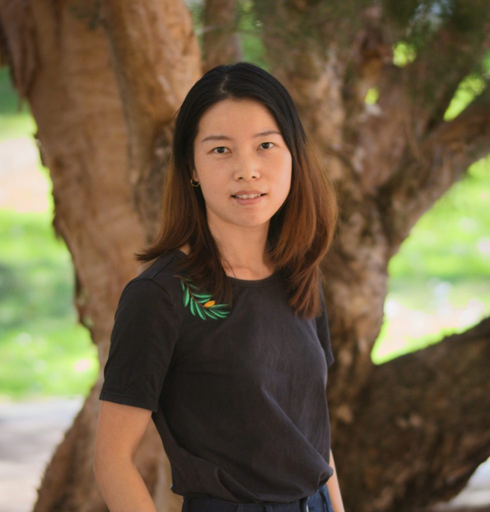
Lavender (Qingxiang) Liu
Ecocene
Lavender (Qingxiang) Liu is a Principal Remote Sensing Analyst at Ecocene with extensive experience in research and industry, specialising in Earth observation (EO) and data analysis. She earned her PhD from the University of New South Wales in 2018, following a Bachelor’s degree in surveying and Mapping Engineering from Wuhan University.
She has technically led and contributed to multiple projects with industry partners and government agencies.
As a current Management Committee Member of Earth Observation Australia, she actively contributed to conferences, webinars and workshops. She received the WA and Oceanic Future Leader of the Year Award in 2023, followed by the Innovation in Earth Observation Team Award in 2024.
-
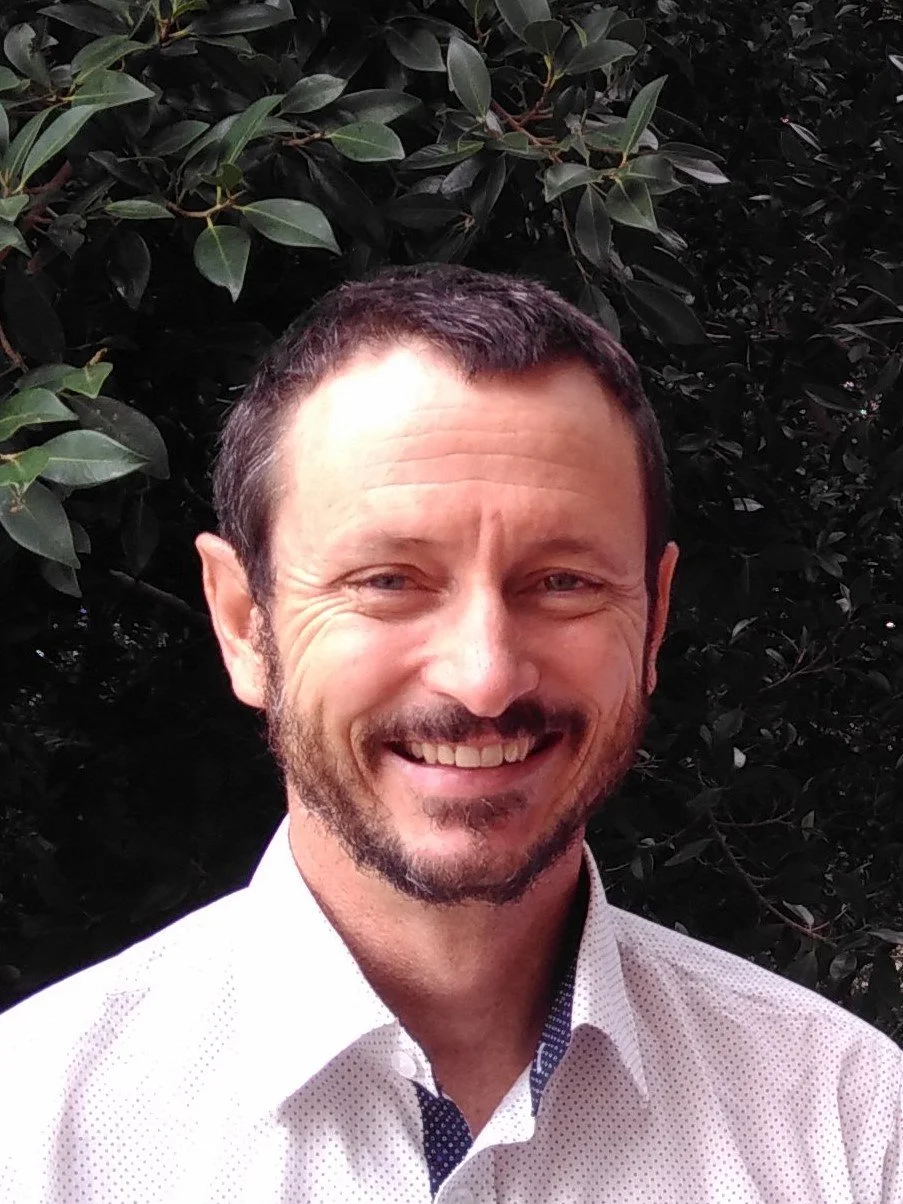
Stuart Phinn
University of Queensland
Stuart is a professor, scientist, educator, and leader who builds and applies methods to measure and understand how our environments are changing at multiple scales (www.eorc.org.au).
He works across collaborative, multi-disciplinary teams and organisations to deliver quality science that draws upon fieldwork, satellite-image data, and modelling, through: founding directorships of Australia national earth observation coordination body (www.eoa.org.au) and collaborative research infrastructure (www.tern.org.au) and a world-leading research to operational program that supports government environmental monitoring (www.jrsrp.org.au); and program leadership of industry-driven research.
Stuart’s work provides solutions to support sustainable development and resource use for all levels of government, various industries, and communities.
-
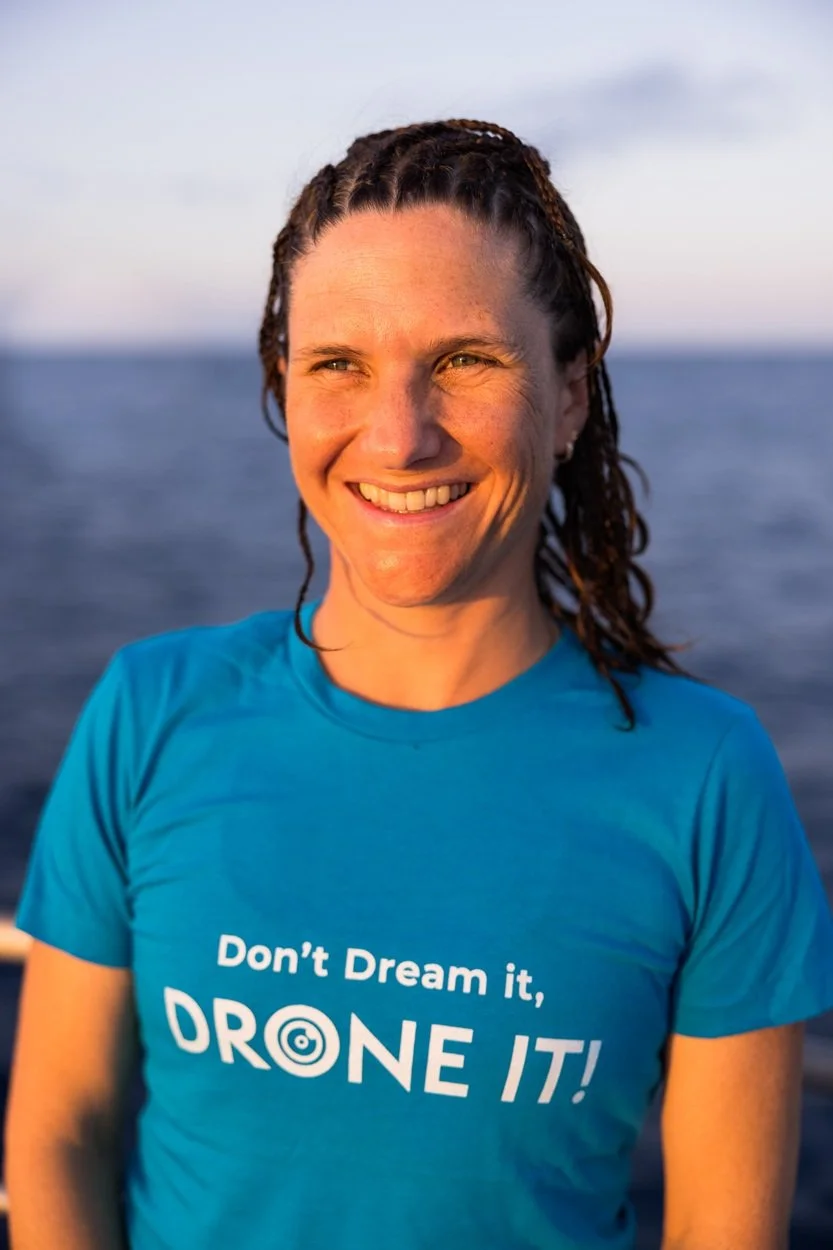
Karen Joyce
GeoNadir
Dr Karen Joyce is a remote sensing scientist and entrepreneur with 27 years’ experience spanning academia, government, industry, and the military.
She is Co-founder and Head of Product and Science at GeoNadir, an Earth intelligence platform enabling collaborative drone and satellite data analytics, and Co-founder of She Maps, a global STEM education social enterprise.
Karen specialises in AIenabled geospatial workflows for environmental decisionmaking, with applications including coral reef monitoring, disaster response, ecosystem assessment, and satellite–drone integration.
An invited keynote speaker at major international conferences, she is recognised for advancing FAIR data, inclusive geospatial education, and translating research into real-world environmental impact.
-
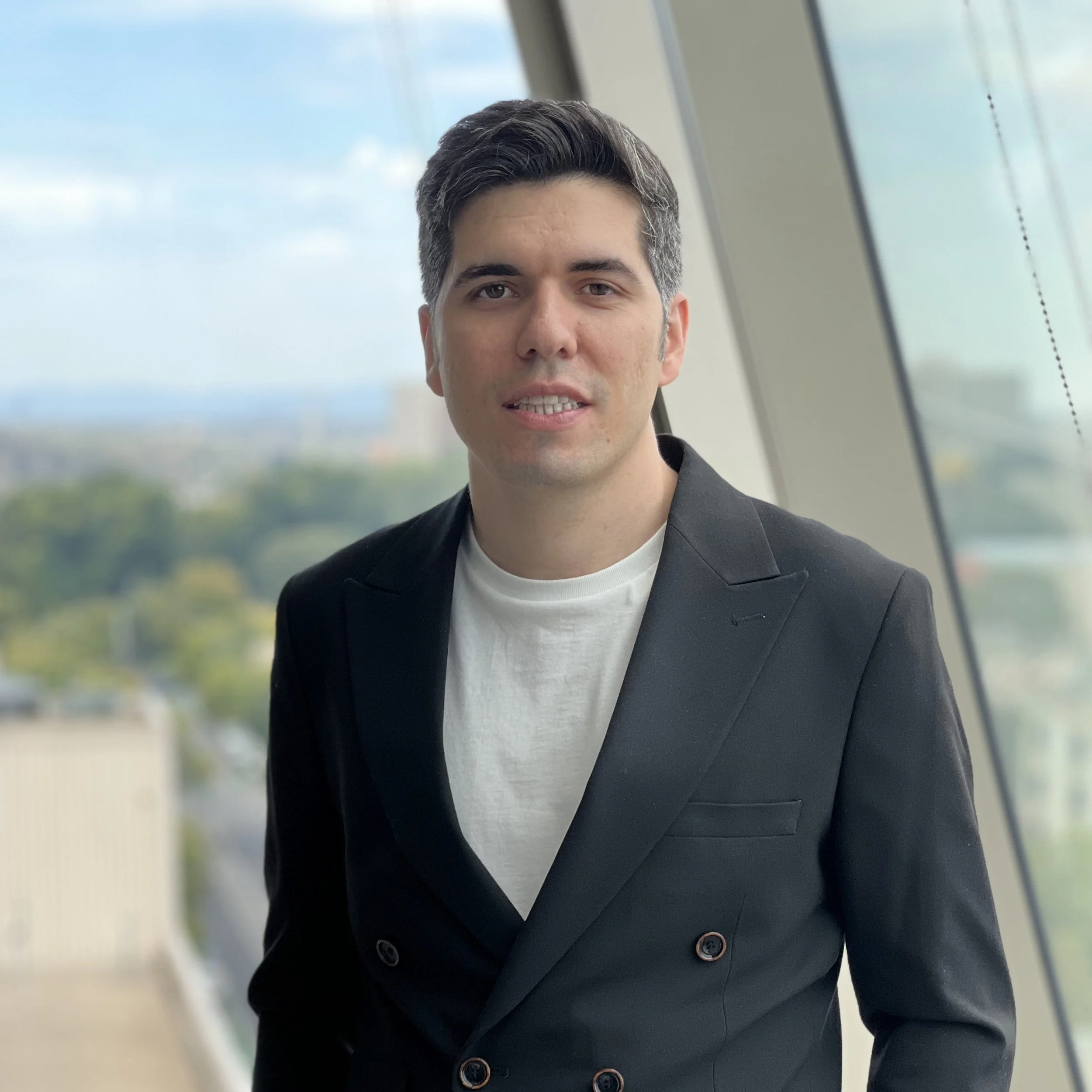
Peyman Jafary
University of Melbourne
Dr Peyman Jafary is a Research Fellow within the Department of Infrastructure Engineering at the University of Melbourne. He is a geospatial technology researcher leveraging GeoAI and Machine Learning/Deep Learning techniques to analyse spatiotemporal data and imagery.
He completed his PhD in Geomatics Engineering at the University of Melbourne, where his research advanced the integration of AI and Building Information Modelling (BIM) for enhanced property valuation. In 2024, he received the Best Young Researcher Award (Honorary Mention) at the ISPRS Technical Commission IV Symposium 2024 in Perth, Australia.
Previously, Peyman served as a GIS and Remote Sensing Expert for the Food and Agriculture Organisation (FAO) of the United Nations, contributing to sustainable water management and agricultural monitoring programs across the Middle East and North Africa region. -
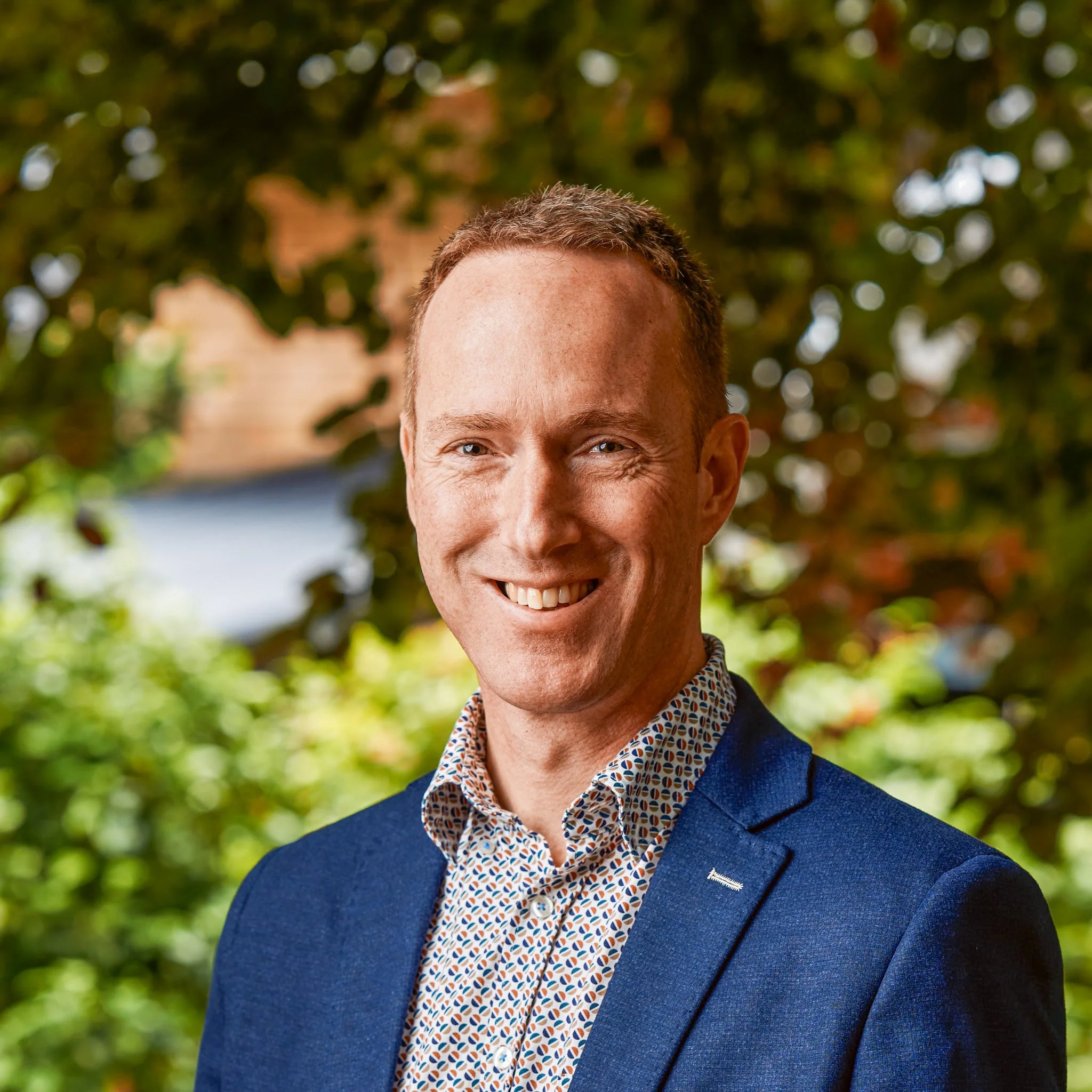
Arko Lucieer
University of Tasmania
Professor Arko Lucieer is Professor of Remote Sensing and Head of the School of Geography, Planning, and Spatial Sciences at the University of Tasmania.
He founded the TerraLuma research group and has led the development of advanced dronebased sensor systems, including early lidar, hyperspectral, and solar-induced fluorescence platforms.
His research focuses on highresolution ecosystem mapping and scaling detailed structural and functional measurements to national observatories through integration with airborne and satellite data.
He teaches remote sensing classes at undergraduate and graduate levels. Arko manages a team of research associates and PhD students focusing on a range of environmental remote sensing challenges.
-
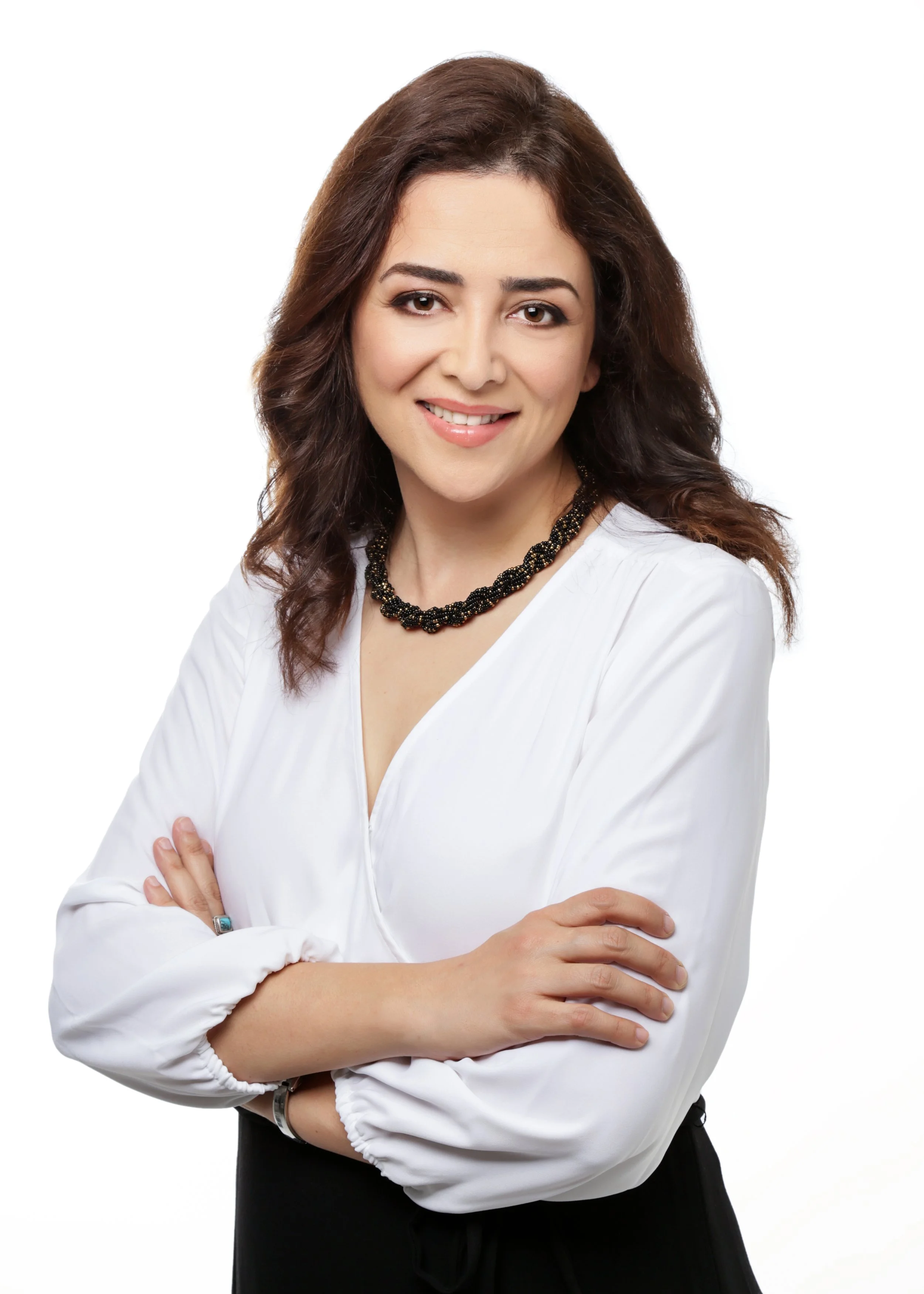
Maria Rashidi
Western Sydney University
Maria brings over 17 years of experience across design, construction, and asset management projects. She holds a Master of Civil Engineering and a PhD from the University of Wollongong. Her recent research focuses on the use of Remotely Piloted Aircraft (RPA) systems, Terrestrial Laser Scanning (TLS), Digital Twins (DT) and Artificial Intelligence (AI) for structural health monitoring. She has also conducted extensive work on the life cycle management of bridges, leading to the development of a decision support system for bridge remediation. Currently, she serves as Director of Research at the School of Engineering, Deputy Director of the Urban Transformation Research Centre (UTRC), and leads the Structural Engineering and Health Monitoring (SAHM) team at the Centre for Infrastructure Engineering.
-
Debaditya Acharya
RMIT University
Debaditya is a Lecturer in Geospatial Science at RMIT University and teaches Advanced Imaging Technologies, including LiDAR, photogrammetry and remote sensing.
His research interests are Computer Vision, Machine Learning, and 3D Building Modelling. Previously, he worked as a CSIRO Early Research Career (CERC) Postdoctoral Fellow, where his work contributed to the Future Science Platforms (FSP) in Machine Learning and Artificial Intelligence (MLAI) and their applications to fisheries.
He completed his Doctor of Philosophy at the University of Melbourne, Australia, and developed an infrastructureindependent visual indoor positioning technology. He serves as a program committee member, reviewer and guest editor in several leading journals.
-
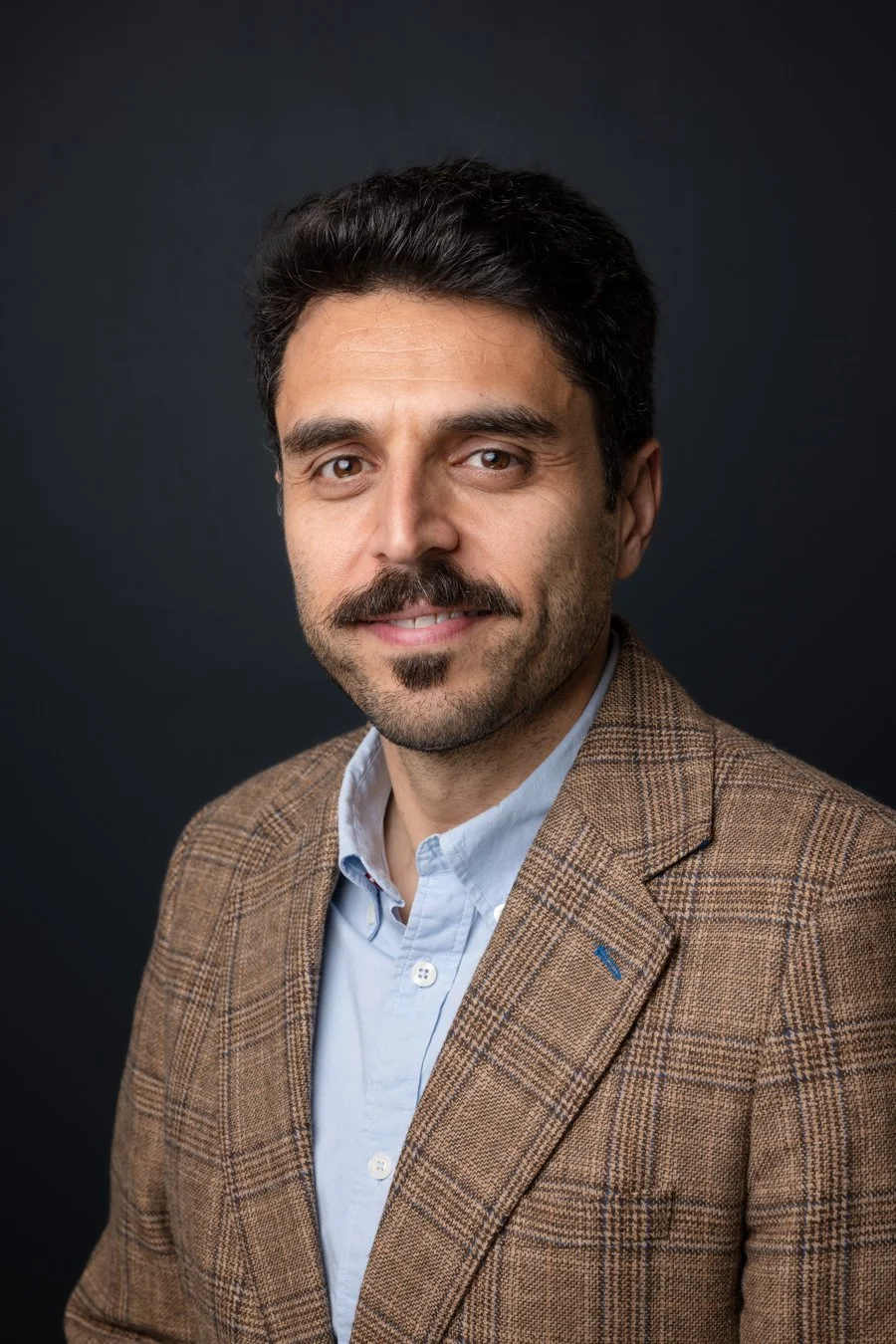
Mohsen Kalantari
The University of New South Wales, Sydney
Mohsen Kalantari is an Associate Professor of Geospatial Engineering, Deputy Head (Education) at the School of Civil and Environmental Engineering and a Co-Founder at Faramoon.
Recognised by scholarly databases, he is among the top five researchers worldwide in innovative approaches to cadastre. He is the author of the first textbook on BIM and 3D GIS Integration for Digital Twins.
He is an innovative educator and has been acknowledged with honourable mentions by the UNSW Scientia Education Academy Exemplary Teaching Practice Awards in 2024 and 2025.
He also has strong ties to the industry, and before his academic career, he worked in the surveying and spatial industry through his role as the Victorian coordinator of a nationwide land and survey information modernisation initiative, ePlan.
-
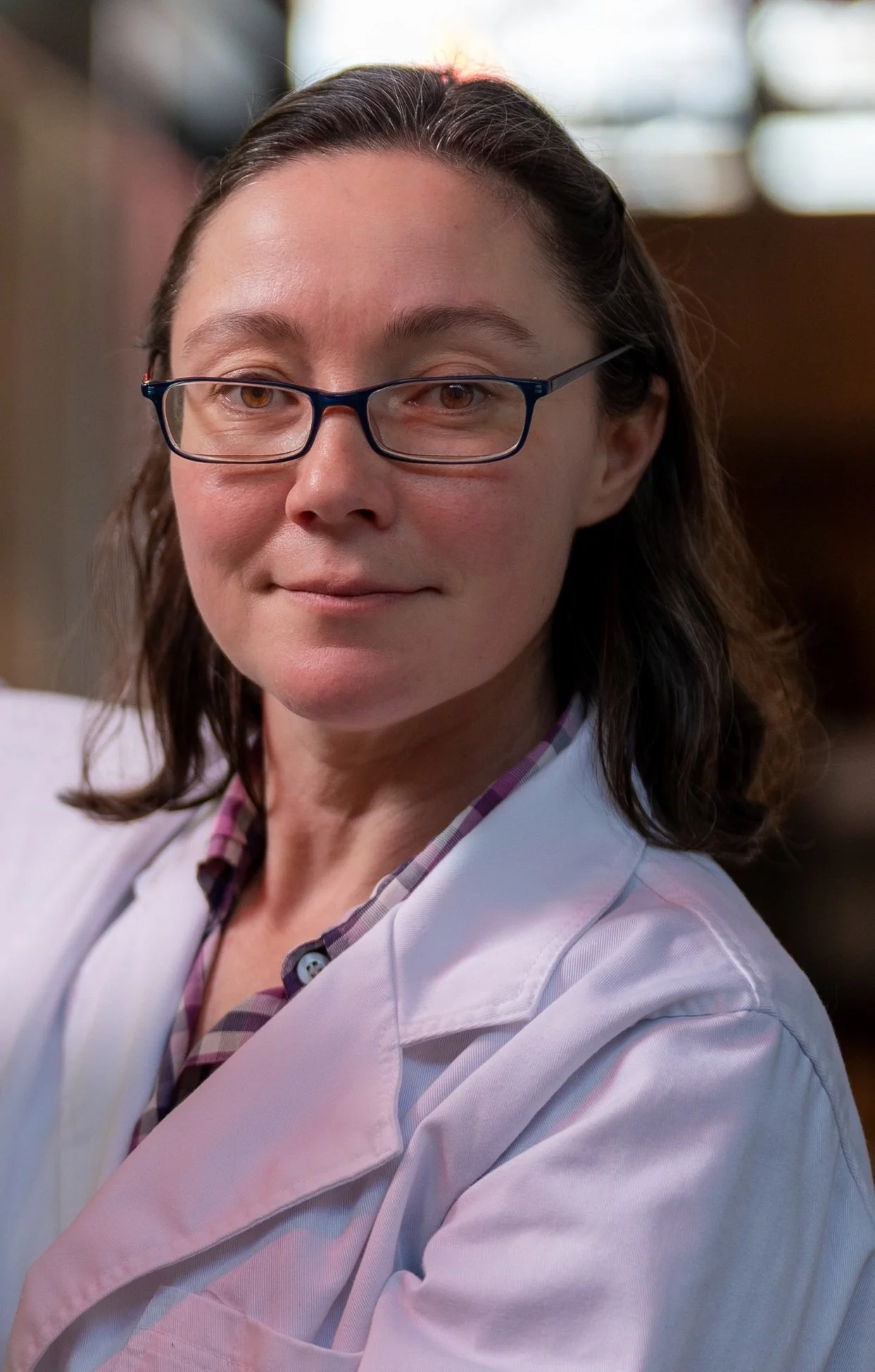
Kara Youngentob
Australian National University
Dr Kara Youngentob is an ecologist and Senior Research Fellow at the Australian National University, where she co-leads the Nutritional Ecology Lab and is a member of ANU’s Long-Term Ecology Group.
Her research focuses on how landscape condition, vegetation composition, and nutritional processes influence habitat quality for threatened species.
She has led and contributed to large, applied research programs with Commonwealth, state, and local governments, integrating field ecology with remote sensing—including hyperspectral and multispectral imagery, LiDAR, and landscape-scale datasets—to inform conservation and restoration.
Passionate about science communication, she enjoys engaging with the broader community and translating research into clear guidance for decision-makers and land managers.
-
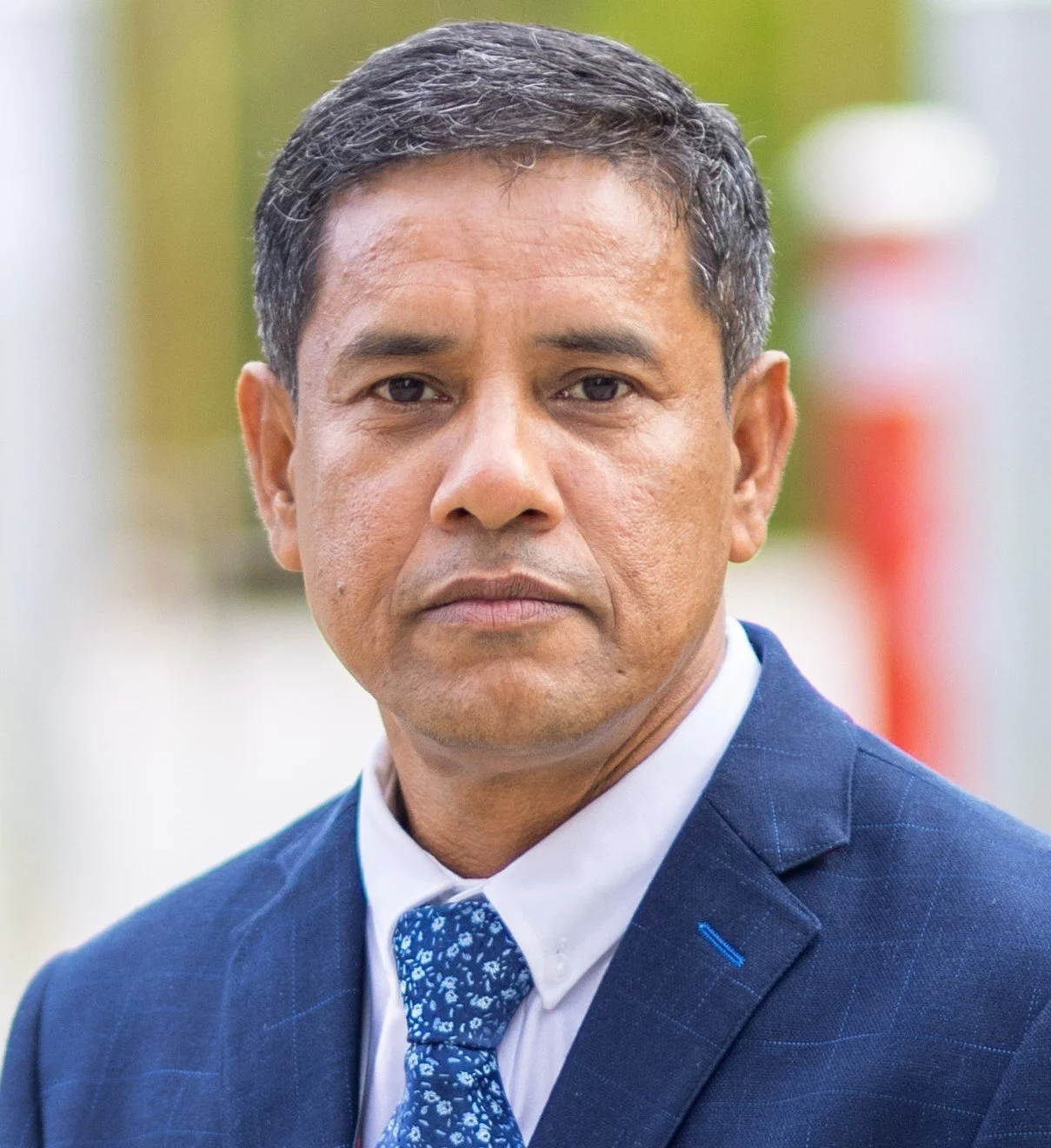
Ashraf Dewan
Curtin University
Ashraf Dewan is the Director of Research at the School of Earth and Planetary Sciences, Curtin University. His work bridges climate science, geospatial intelligence, and urban–environmental geography, advancing understanding of climate change, urbanisation, heat risk, and disaster vulnerability across both developed and developing regions.
He has authored two books and more than 150 Science Citation Index–listed papers, earning recognition among the top 1% of environmental scientists by Research.com.
His research has been featured by major outlets including ABC, NASA, 7 News, and BBC World. A leader in multidisciplinary collaboration, Ashraf has guided diverse research teams and partnered with leading international institutions. He also serves as an Editor in Chief of Geomatica, a key journal in geomatics.
In 2025, he was nominated by the Australian Government to the Intergovernmental Panel on Climate Change (IPCC) for AR7.
-
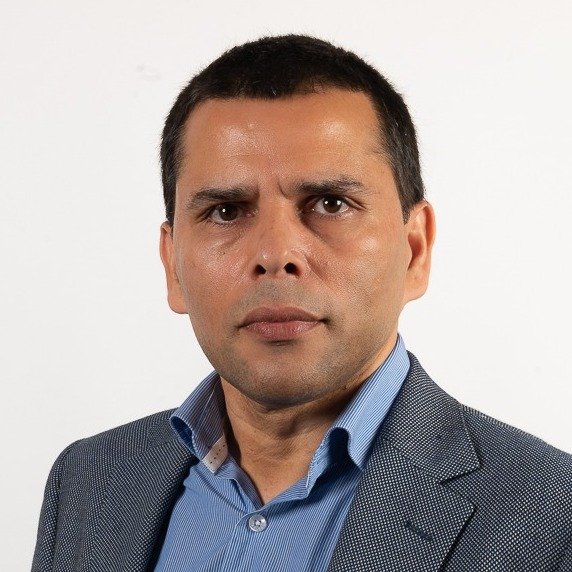
Jagannath Aryal
The University of Melbourne
Associate Professor Dr Jagannath Aryal was trained as a proud surveyor from Nepal, he was educated from the Netherlands in Digital Photogrammetry and Remote Sensing followed by the Master of Surveying with distinction from the University of Otago, New Zealand. He received his PhD degree in Optimisation and Systems Modelling from New Zealand.
An internationally recognised academic in the field of digital capabilities with a focus on remote sensing and spatial statistics, he leads a research group on Earth Observation and AI within the Faculty of Engineering and IT (FEIT) at the University of Melbourne, Australia. He strongly believes in the internationalization of education and sharing the technology and ideas for the public good.
Currently, he has been leading the flagship program of the University of Melbourne with India's elite educational institutions including Indian Institute of Technologies (IITs) - the Melbourne India Postgraduate Academy (MIPA)- as the Director.
-
Bruce Forster
The University of New South Wales, Sydney
Dr Bruce Forster is a former Professor and Visiting Professorial Fellow at the University of New South Wales and co-founder of Australia’s first university-based centre for remote sensing and GIS. He served as President of the Remote Sensing Association of Australia and has made significant contributions to ISPRS and the Asian Association on Remote Sensing.
Bruce has chaired major international conferences, delivered plenary presentations worldwide, and led remote sensing projects across Asia. He was also a member of a United Nations delegation that recommended the establishment of the UN Asia-Pacific Space Science and Remote Sensing Centre in India.
A Member of the Order of Australia, Fellow of Engineers Australia, and Honorary Member of the Asian Association on Remote Sensing, Bruce has received numerous international awards recognising his outstanding contributions to remote sensing and geospatial science.
-
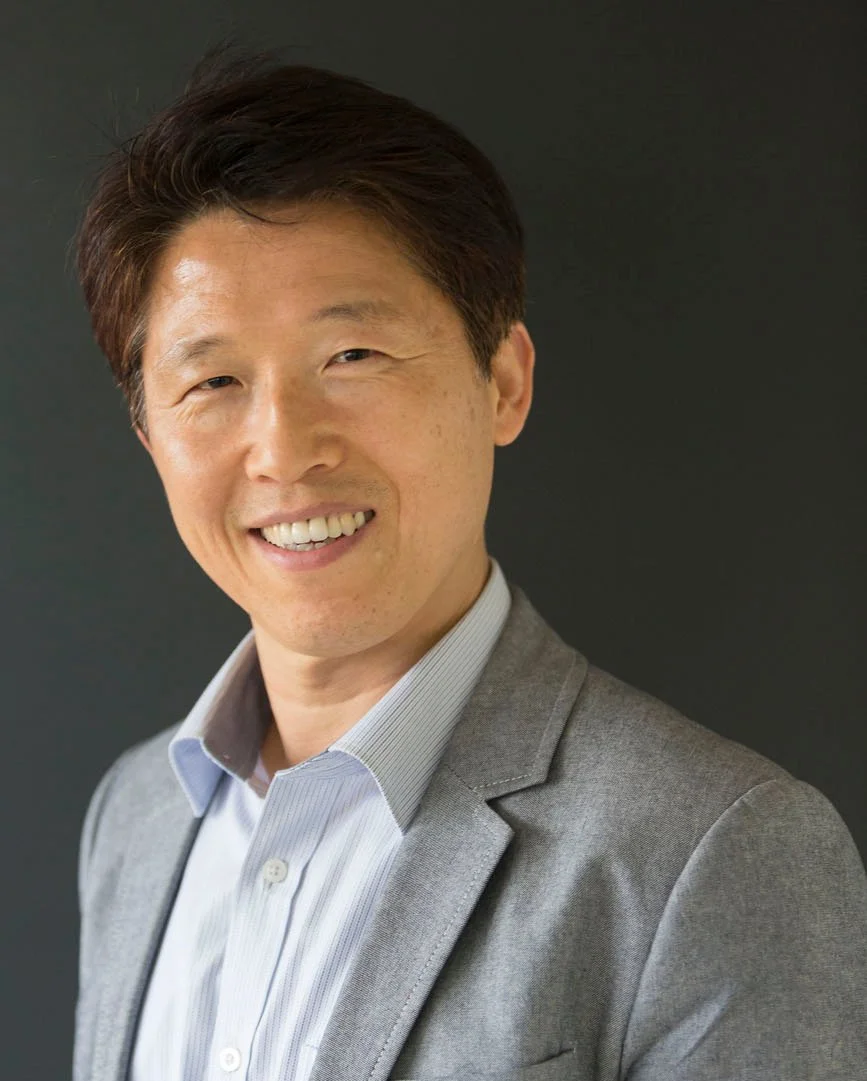
Samsung Lim
The University of New South Wales, Sydney
Samsung Lim is an Associate Professor in the School of Civil and Environmental Engineering at the UNSW, Sydney. His research expertise spans data science, artificial intelligence, and machine learning. He actively contributes to the work of ISPRS, FIG, ICA and IEEE in various capacities.
He has developed numerous GIS technologies that assist decision making in public health, including identification of geo-correlation between contributing factors and asthma occurrence, analysis of avian influenza outbreaks, spatio-temporal modelling of dengue outbreaks, emerging hot spot analysis of COVID-19 and other infectious diseases.
His research on natural disasters includes the development of machine learning methods for bushfire susceptibility mapping, spatial clustering and modelling for landslides susceptibility mapping, evacuation management in flood scenarios, and social media-based natural disaster assessment.
-
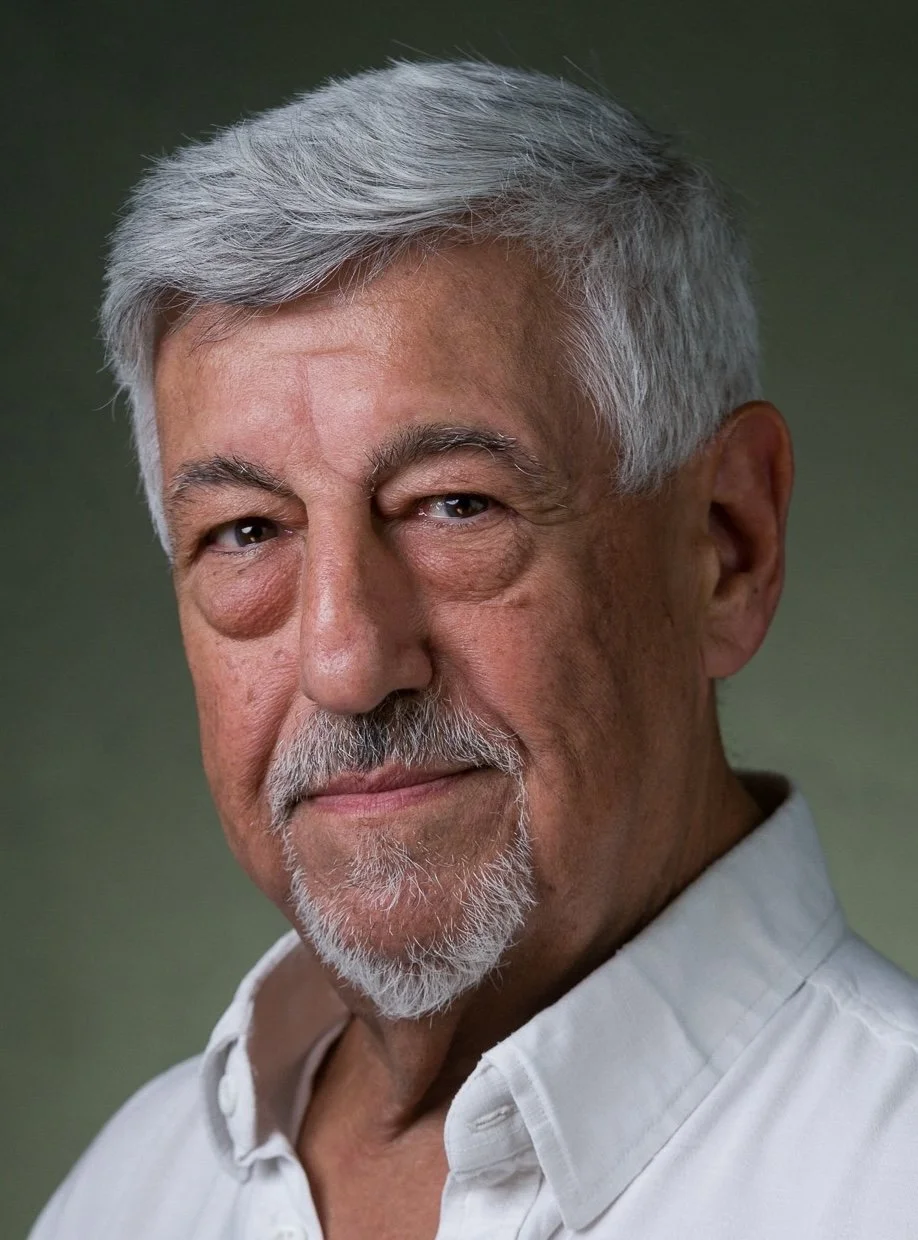
Chris Risoz
The University of New South Wales, Sydney
Chris Rizos is an Emeritus Professor at the School of Civil and Environmental Engineering, UNSW, Sydney, Australia. He graduated with a Surveying degree in 1975, and with a PhD in 1980, in the field of Satellite Geodesy, both from UNSW.
Chris’s academic interests are geodesy, surveying applications, navigation technologies and geospatial concepts. Over his entire professional career Chris has collaborated closely with other “geo-disciplines”, including photogrammetry, Earth observations and geography, to promote a geospatial view of the world, where every object, person or action has a unique coordinate location.
Chris is President of the International Union of Geodesy & Geophysics 2023-2027.
-
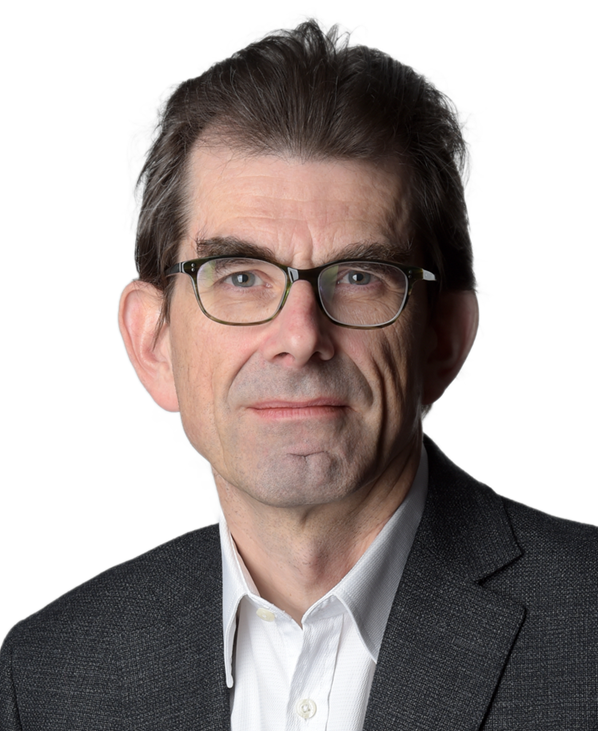
Stephan Winter
The University of Melbourne
Stephan Winter is Professor for Geospatial Information Science at the Department of Infrastructure Engineering, The University of Melbourne. Before, he held positions at the Technical University Vienna (1997-2003), and at the University of Bonn (1991-1997).
In his research, he is specializing on human spatial cognition and communication, with a vision of developing intelligent spatial machines in the context of indoor and outdoor spatial modelling, wayfinding, navigation, and intelligent transport.
He is a long-serving member of the International Scientific Advisory Committee of the ISPRS, and member of various ISPRS working groups. He has also been a recipient of the U. V. Helava Award (2007).